What is Asiatic Archery?
By Justin Ma (co-author of The Way of Archery)
Learn to shoot Asiatic "horse" bows with the thumb ring and experience the martial prowess of ancient steppe and military archers!
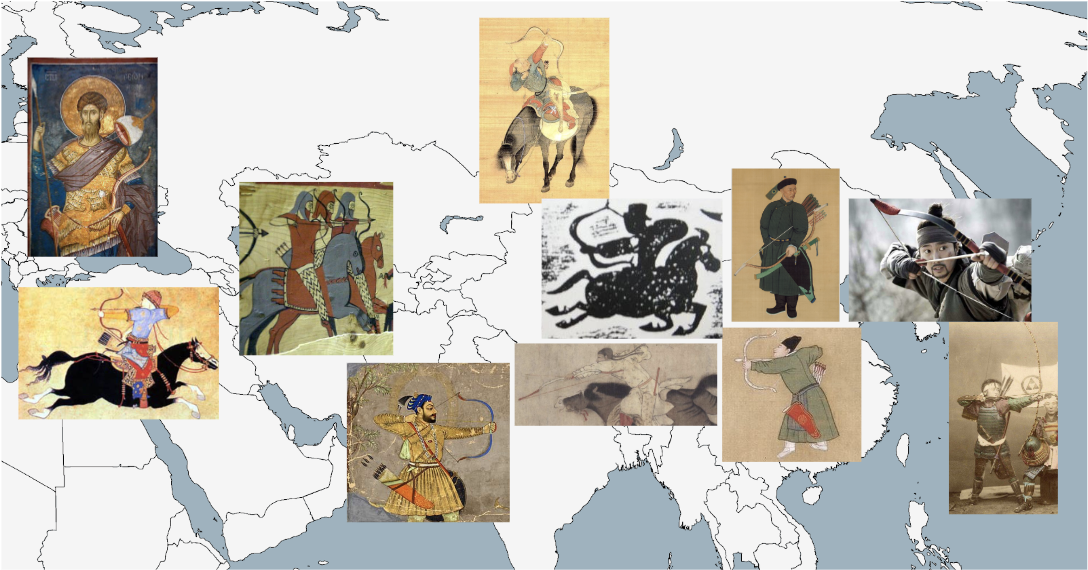
This style was practiced across Eurasia by diverse cultures: Mongolians, Chinese, Koreans, Indians, Persians, Turks, Byzantines (Eastern Romans), and more. The map below illustrates archival artwork and historical archery artifacts across these traditions:
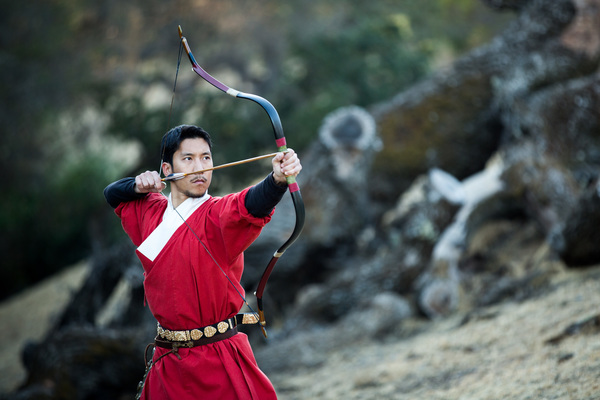
I am co-author of "The Way of Archery: A 1637 Chinese Military Training Manual" (Schiffer Publishing, 2015). The book is an English translation and commentary of a classic 17th-century Ming Dynasty military archery treatise.
Through researching the manual and teaching our annual Chinese Archery Program workshops, I have come to appreciate not only the depth and battlefield practicality of this martial art, but also the commonalities it shares with traditional archery worldwide.
Below, we cover the core elements that distinguish Asiatic archery from Western recurve and Olympic archery styles.
1. The Thumb Ring & Thumb Draw
Rather than using three fingers to pull the string (Mediterranean draw), practitioners of Asiatic archery use the thumb to hook the string. The primary advantage of the thumb draw is that it allows the archer to stably lock and handle the arrow in mobile situations, such as riding on horseback or moving over rough terrain.
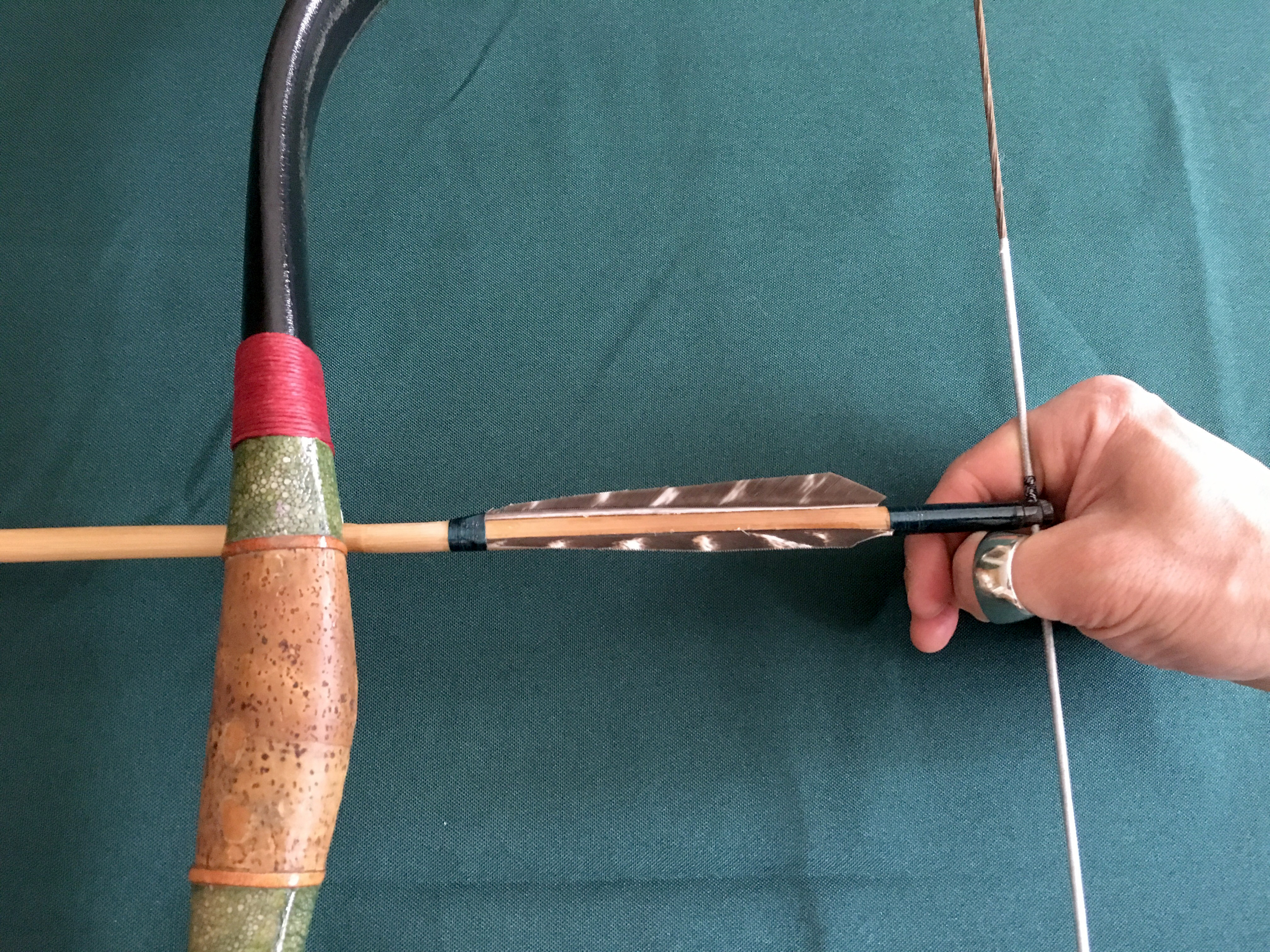
After you have reinforced the thumb with 1–2 fingers, the index finger lightly rests against the side of the arrow nock, preventing the arrow from slipping off the hand. In the heat of battle, dropping your arrow was not an option.
Drawing a bowstring exerts heavy concentrated pressure on a single digit. Practitioners protect their thumb using a thumb ring made of horn, jade, stone, bone, brass, bronze, leather, or modern polymers.
Major Thumb Ring Categories:
Lipped Rings
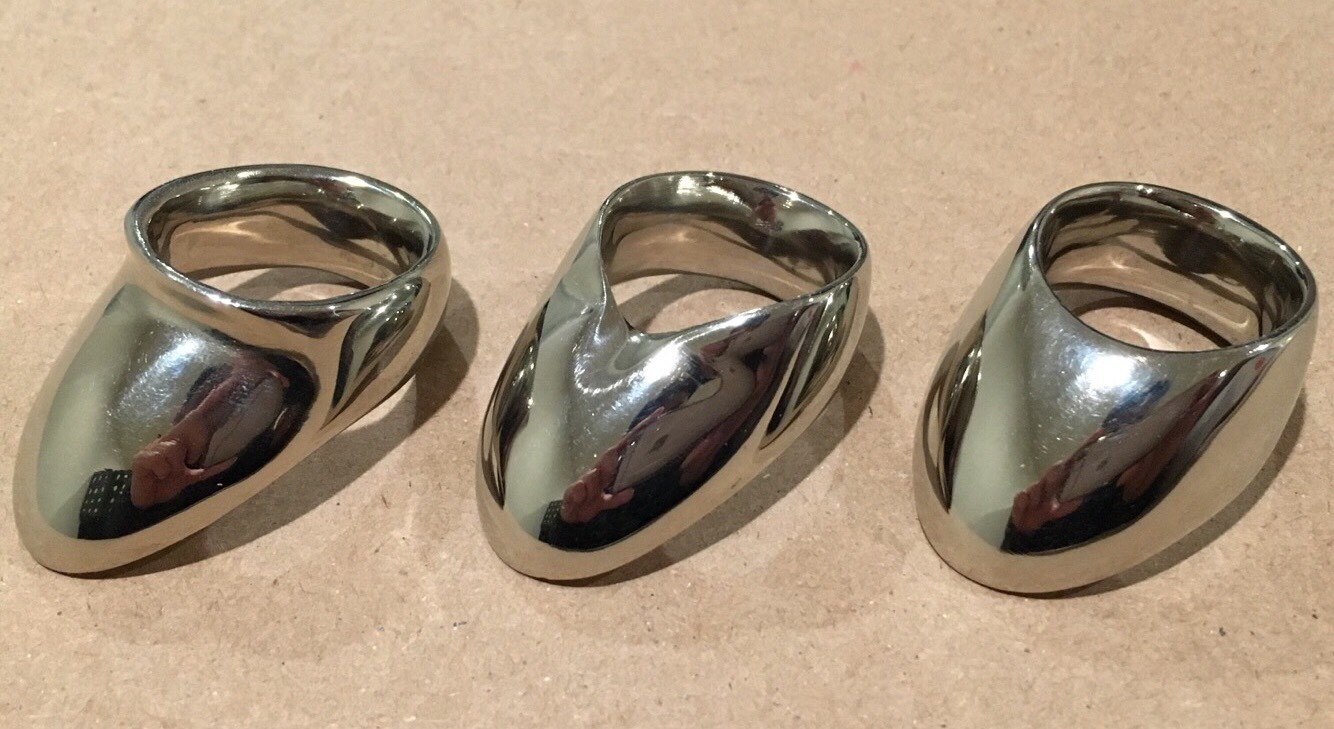
The lip extends over the thumb pad to protect skin as the string releases. Pictured from left to right: a single string guard, a split guard, and no guard (Turkish / Ottoman style).
Cylindrical Rings (Ban Zhi)
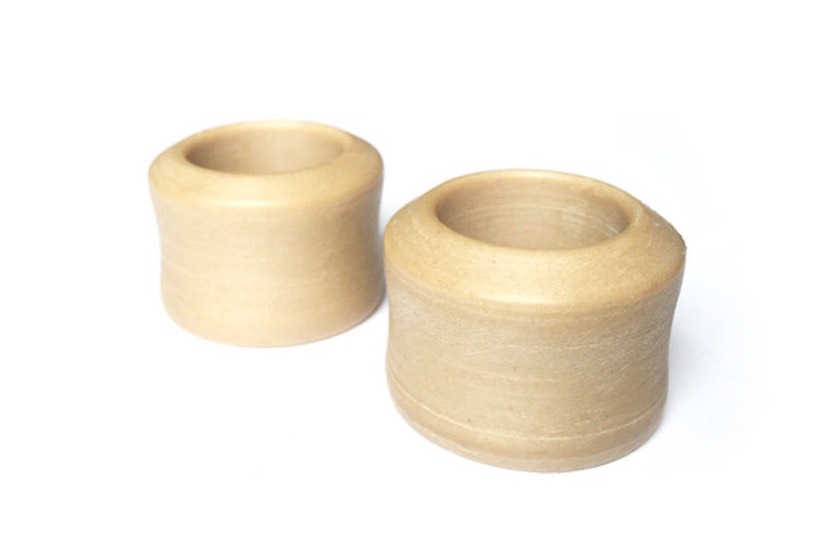
Primarily used by Qing dynasty Manchu archers. The symmetrical cylindrical design made it easy to transition instantly between drawing a warbow and drawing a saber or polearm.
Pronged Rings (Sugakji)
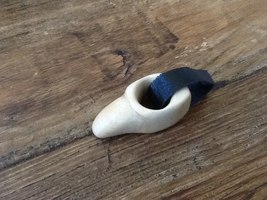
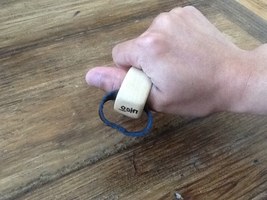
Unique to Korean archery. Archers pull the string with the lever prong and reinforce the prong with 1–2 fingers. Ideal for heavy bows (Photo by Jin Kim of HelloJin Studio).
Leather Guards & Ancient Artifacts
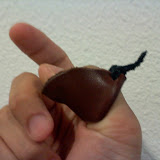
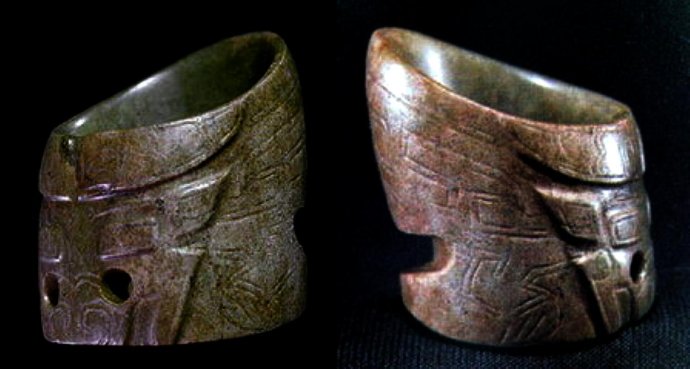
Folded leather thumb tabs (left) are ancient and soft. The jade ring of general Fu Hao (right, c. 1200 BCE Shang Dynasty) is the earliest known archaeological thumb ring.
2. The Asiatic Composite Bow
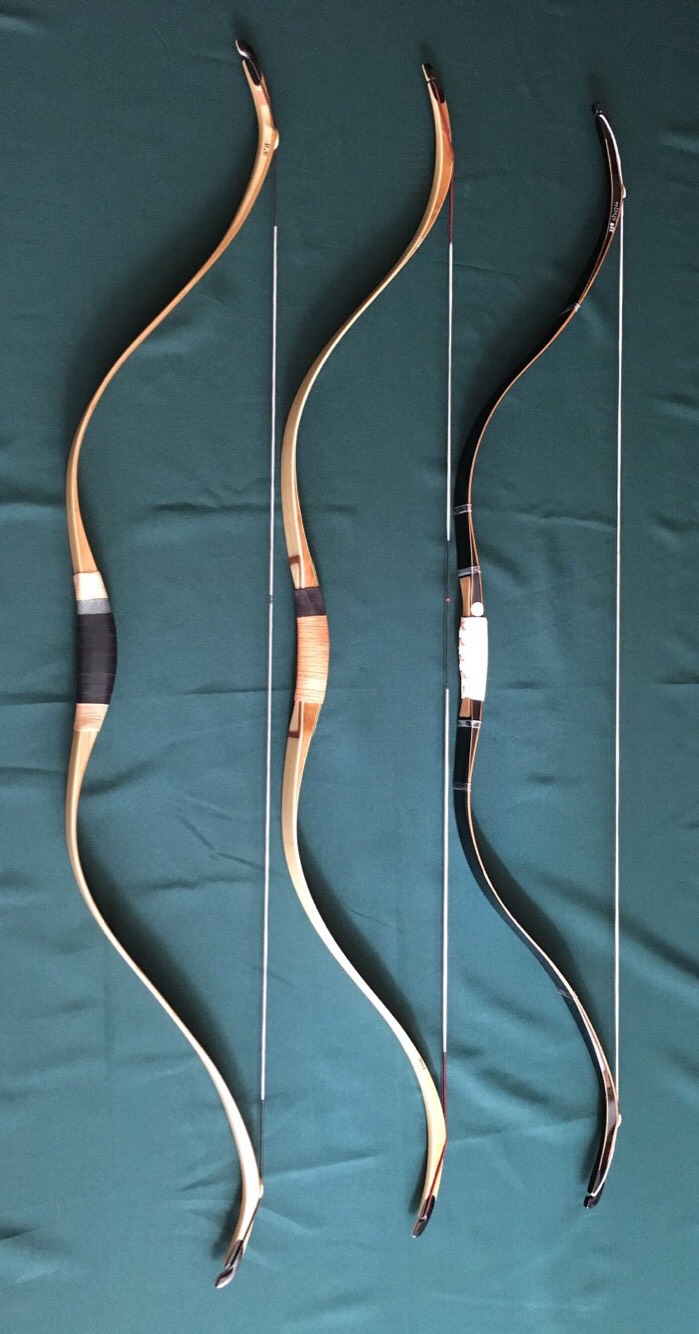
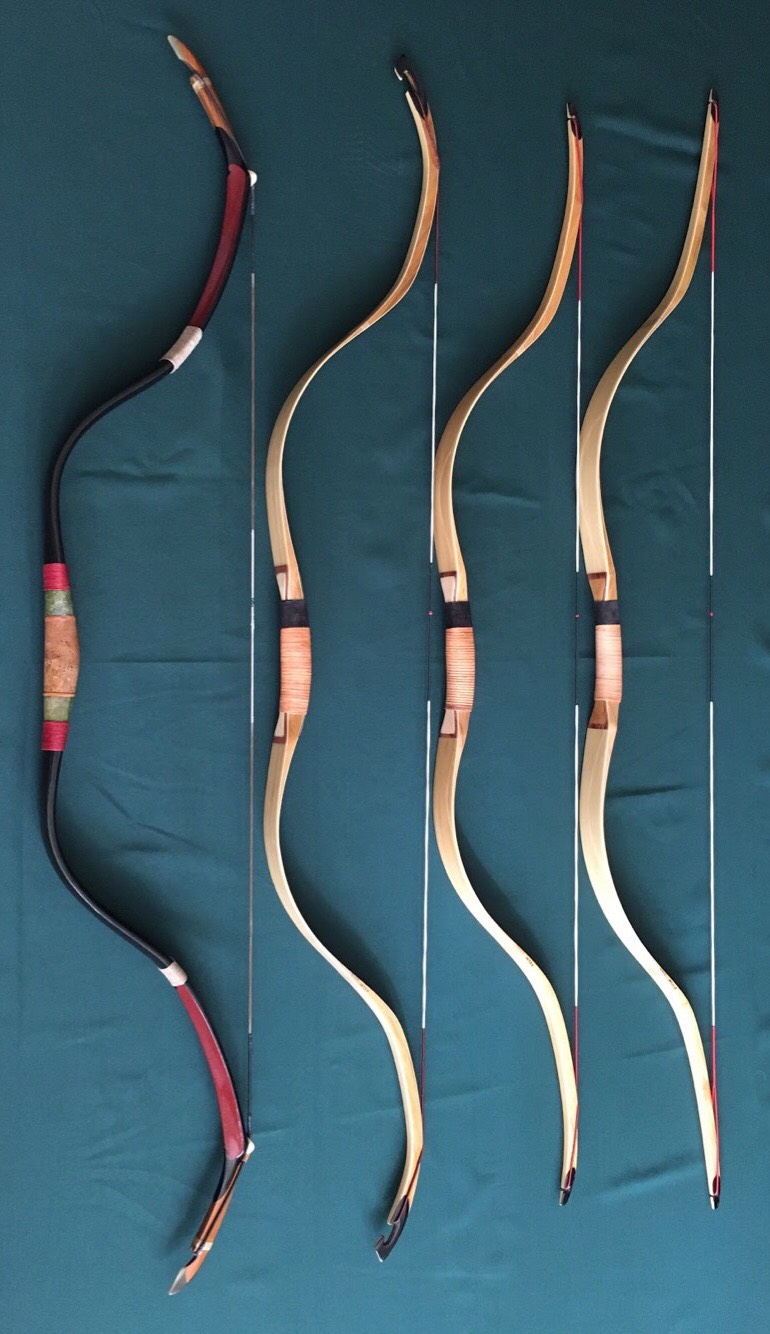
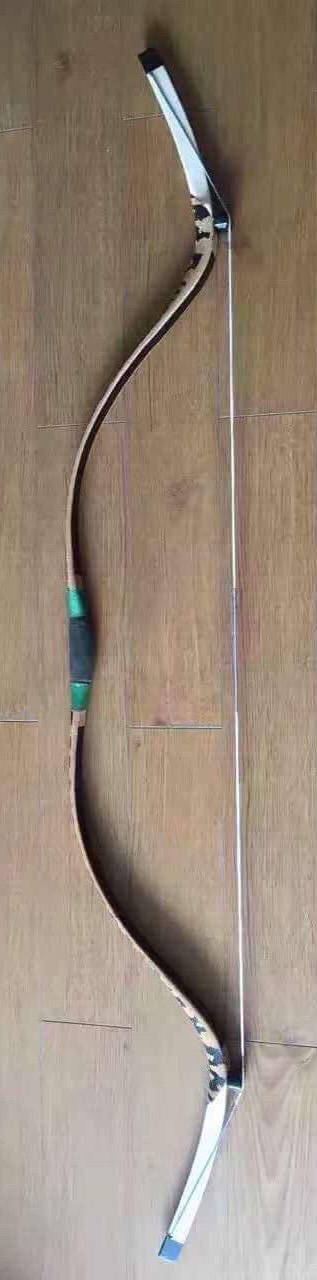
Asiatic bows exhibit a rich diversity of geometries developed over millennia, each featuring distinct limb lengths, static recurve tips (siyahs), and degrees of reflex:
Refreshing Simplicity:
You will notice Asiatic bows have no arrow shelves, no sights, and no stabilizers. In contrast to modern compound and Olympic recurve bows, the Asiatic bow possesses a refreshing simplicity:
- Virtual Arrow Shelf: Your bow hand grip creates a natural shelf using your thumb.
- Intuitive Aiming: You rely on traditional instinctive and split-vision aiming rather than pin sights.
- Innate Lightness: The bow feels remarkably light and agile in the hand; dynamic stabilization comes entirely from well-executed skeletal form.
- Pure Accountability: There are no accessories to blame for an errant shot. The archer takes full personal responsibility for every release.
3. Asiatic Military Technique
Techniques varied across cultures and schools. Within Chinese archery, treatises debated how far to draw, anchor points, follow-through dynamics, and mental discipline.
Our curriculum focuses on the Ming military style described by master Gao Ying in 1637. It features a long draw length (drawing the thumb ring past the ear), an upper lip anchor, and a narrow triangular alignment of the shoulders and arms optimized for pulling heavy military warbows.
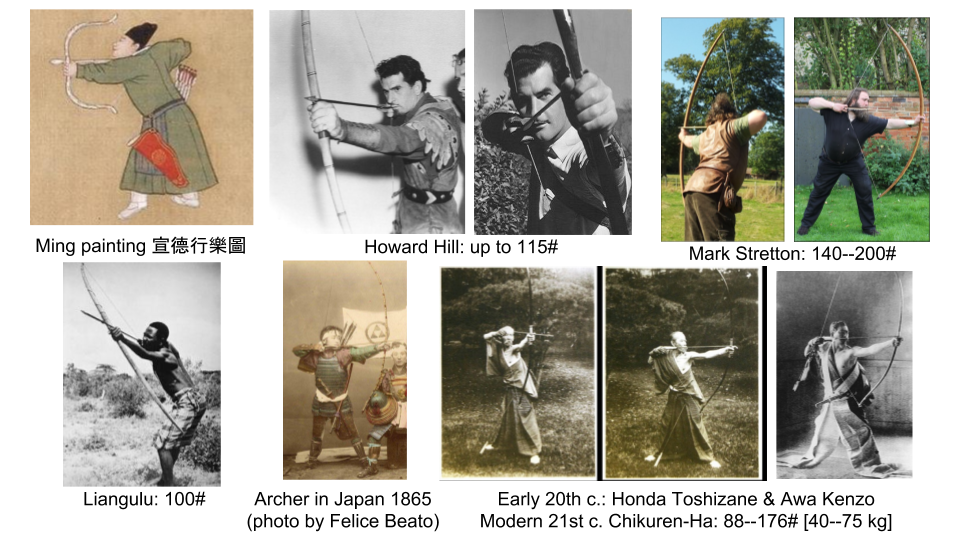
The military form differs fundamentally from modern target archery. Rather than isolating the small shoulder muscles, military archery makes symmetrical use of the large back muscle groups (rhomboids, latissimus dorsi, and trapezius). This structural alignment protects the archer's joints and makes drawing 80#, 100#, and heavier bows safe and sustainable.
Discover The Way of Archery
Whether you are a beginner exploring Asiatic archery for the first time or an experienced archer looking to refine your thumb draw technique, we invite you to explore our video tutorials, read our book, and join our annual Chinese Archery Program workshops.